
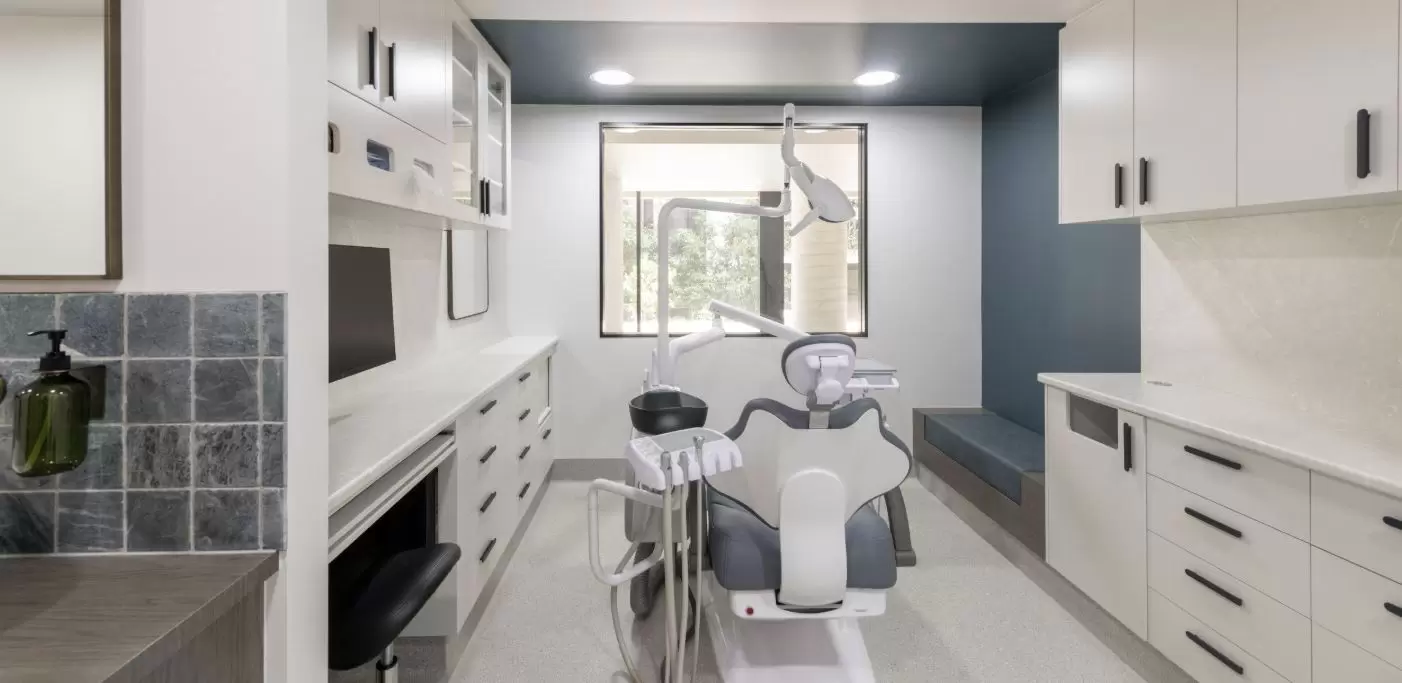
Opening or expanding a dental practice involves considerably more than purchasing dental chairs and clinical equipment. Before patients can be treated, the premises may require specialised plumbing, electrical infrastructure, treatment rooms, sterilisation facilities, cabinetry and extensive building modifications.
Whether you're establishing your first practice, relocating or renovating an existing clinic, these costs can represent a significant investment before the business generates additional revenue.
Dental practice fit-out finance allows eligible practitioners to spread these expenses over time, potentially using specialist facilities that fund contractors and suppliers progressively. The right structure can help preserve working capital while ensuring the practice has the infrastructure needed to operate and grow.
What Does a Dental Practice Fit-Out Involve?
Dental practices generally undertake major fit-outs for three reasons: establishing a new clinic, relocating to different premises or renovating and expanding an existing practice.
Unlike a standard office refurbishment, a dental fit-out requires infrastructure designed around clinical workflows, infection prevention and specialised equipment. This can include plumbing and drainage for dental chairs, suction and compressed-air systems, electrical and data infrastructure, sterilisation areas, clinical cabinetry, reception facilities and accessibility modifications.
For specialist dental practices, including endodontic clinics, fit-out planning may also need to accommodate dental operating microscopes, CBCT imaging equipment and treatment-room layouts suited to complex root canal procedures.
Costs depend on the number of surgeries, condition of the premises, extent of construction and equipment being installed. Converting an empty commercial tenancy into a dental clinic may require substantially more work than renovating premises already configured for dental use.
Before committing to a project, dentists should obtain detailed quotations from contractors experienced in dental fit-outs and distinguish between permanent building improvements, movable clinical equipment and general business establishment costs.
How Dental Practice Fit-Out Finance Works
Dental practice fit-out finance can allow construction and refurbishment expenses to be funded progressively rather than requiring the entire project cost upfront.
Some healthcare lenders, including BOQ Specialist and Medfin, offer fit-out funding arrangements involving staged drawdowns or escrow-style facilities. These can accommodate payments to multiple contractors and suppliers as construction progresses.
For example, a dentist establishing a new practice may arrange an approved facility for building works. As plumbing, electrical installation, cabinetry and other construction stages are completed, the dentist authorises payment of eligible contractor invoices through the lender.
Depending on the facility, interest may be charged on funds drawn rather than the entire approved amount, although other fees may apply. Some lenders also offer reduced or deferred repayments during construction, with the outstanding balance converted into a longer-term repayment arrangement once the fit-out is complete.
This structure can be particularly useful where invoices fall due over several months and the practice is not yet generating revenue. However, drawdown conditions, eligible expenses, repayment commencement dates and the final finance structure vary between lenders.
Separating Dental Equipment Finance From Building Works
Not every expense involved in a dental fit-out will qualify for conventional equipment finance.
Dental chairs, CBCT machines, intraoral scanners, sterilisers and other identifiable clinical assets may be suitable for equipment finance, including chattel mortgages and other asset finance arrangements.
Permanent improvements such as plumbing, electrical works, partitions, flooring and built-in cabinetry may instead require specialist fit-out finance or a separate business loan.
For example, a dentist opening a three-surgery practice may use a specialist fit-out facility for construction and building services, while financing dental chairs and imaging equipment separately.
This can allow different repayment terms to reflect the nature and expected useful life of the expenses being funded. It also helps identify which assets are available as security and which improvements become part of the premises.
For more information about financing clinical equipment, see our guide to dental equipment finance.
Ready to get started?
Book a chat with a Finance & Mortgage Broker at Wealthcove today.
Financing a New Dental Practice Versus an Existing Practice Expansion
Lenders may assess a dentist establishing their first practice differently from an established practice owner expanding an existing clinic.
An established practice can generally provide historical financial statements, revenue and profitability figures to demonstrate its ability to service additional finance.
A dentist transitioning from associate or employed practice into ownership may have no historical financial statements for the proposed business. In these circumstances, specialist healthcare lenders may consider the dentist's qualifications, clinical experience, existing income, business plan, projected revenue and personal financial position.
For example, an associate dentist with several years of experience may be seeking finance to establish a two-surgery practice. Although the new business has no trading history, the dentist's professional background and existing income may support consideration under a specialist lending policy.
Approval will still depend on whether the proposed business and finance arrangements are commercially sustainable.
Planning Your Fit-Out Around Future Practice Growth
A well-designed dental practice should accommodate future growth without requiring unnecessary expenditure from the beginning.
Consider a dentist opening a practice with sufficient space for four surgeries but initially intending to operate only two. Installing plumbing, suction and electrical infrastructure for the additional surgeries during the original construction may be more cost-effective than undertaking major building works after the clinic opens.
The remaining rooms could initially be used for storage or administration before being equipped as patient demand increases.
However, additional floor space also creates ongoing rent or ownership costs. Dentists should balance future expansion opportunities against projected patient demand, staffing requirements and the financial impact of maintaining underutilised space.
How Your Commercial Lease Affects Dental Fit-Out Finance
If you're leasing your practice premises, the commercial lease can influence both the fit-out and the finance available.
Before signing, confirm that the premises are suitable for the intended dental use and investigate any necessary planning, building, accessibility, radiation safety and other approvals.
The lease should also be reviewed for landlord consent, permitted building works, fit-out incentives, renewal options and make-good obligations when the tenancy ends.
For example, financing a substantial fit-out over seven years may create complications where the practice has only a three-year lease and no reliable renewal arrangements.
Lenders may consider the lease term when assessing fit-out finance, particularly where the expenditure relates to permanent improvements that cannot readily be removed.
If the dentist intends to purchase the premises instead, a separate commercial property loan may be required alongside the fit-out and equipment facilities.
Structuring Repayments and Preserving Working Capital
Financing a dental fit-out can allow the practice to retain cash for expenses that continue before and after opening, including wages, laboratory costs, consumables, software, insurance, marketing and rent.
Consider an illustrative dental practice establishment requiring $250,000 in building works, $100,000 in clinical equipment and $50,000 in initial working capital.
The total project requirement is $400,000, but this may be funded through several facilities rather than one loan. Specialist fit-out finance could potentially cover eligible construction expenses, equipment finance could fund clinical assets, and business savings or a working capital facility could support initial operating costs.
The amounts available will depend on lender policy, the dentist's financial circumstances and credit approval.
The objective is to ensure the practice can meet its repayments while retaining sufficient liquidity if construction is delayed, unexpected expenses arise or revenue takes longer than anticipated to increase.
GST and Tax Considerations for Dental Practice Fit-Outs
Dental fit-out expenses can have different GST and income tax treatments depending on the work completed, assets purchased and finance structure.
Where a dental practice is registered for GST and makes eligible creditable acquisitions, it may be entitled to claim input tax credits on GST included in qualifying construction, equipment and fit-out expenses.
Some lenders may finance the GST-inclusive cost, while others may offer a separate short-term GST facility intended to be repaid when the relevant credit becomes available.
However, GST credits do not necessarily result in an immediate cash refund. The amount and timing depend on the transaction, GST accounting method and the practice's tax position. Existing ATO debts may also affect any refund received.
Permanent building improvements, clinical equipment and financing expenses can also receive different income tax treatments. Certain costs may qualify for depreciation or capital works deductions rather than immediate deductions.
Your accountant should review the project and proposed finance structure before you rely on particular GST or tax outcomes in your cash flow forecasts.
Ready to get started?
Book a chat with a Finance & Mortgage Broker at Wealthcove today.
What Lenders Assess Before Approving Dental Fit-Out Finance
Lenders generally assess the dentist's financial position, proposed project and capacity to service the borrowing.
For an established practice, this may involve reviewing financial statements, tax returns, current trading performance and existing liabilities. For a new practice, greater emphasis may be placed on the practitioner's professional experience, existing income, business plan and projected patient revenue.
Project documentation is equally important. Lenders may request the commercial lease or property contract, detailed contractor quotations, building plans, construction timetable, equipment invoices and evidence of required approvals.
A realistic budget should also allow for professional fees, construction variations and potential delays. Understanding when contractor deposits and progress payments become due is important because these may not align with the lender's drawdown arrangements.
A Practical Guide to Arranging Dental Practice Fit-Out Finance
Before committing to a fit-out, establish the complete project cost by obtaining detailed quotations from specialist dental contractors and confirming that the premises are suitable for the proposed works. The budget should distinguish between construction, clinical equipment, professional fees and working capital, with an allowance for unexpected expenses.
Once the budget is established, a finance broker can assess borrowing capacity and compare lenders offering specialist fit-out facilities, staged drawdowns and equipment finance. The application may require financial information, professional income verification, contractor quotations, a business plan and the proposed commercial lease.
Before construction begins, confirm the lender's approval conditions, payment arrangements and repayment obligations. In particular, understand when deposits and progress payments are due, when repayments commence and whether the approved facility provides sufficient funding to complete the project.
Ideally, these arrangements should be reviewed before entering into unconditional construction commitments or paying substantial non-refundable deposits. This reduces the risk of funding shortfalls and helps preserve working capital for the period after the practice opens.
How to Compare Dental Practice Fit-Out Finance Options
The most suitable lender is not necessarily the one offering the lowest advertised interest rate.
Compare which costs are eligible for finance, how contractor invoices are paid, whether staged drawdowns are available and when regular repayments commence.
The loan term, establishment fees, interest charges during construction, security requirements and arrangements for converting the facility into longer-term finance can all affect the total cost.
For dentists establishing or expanding a practice, the most suitable structure should accommodate the complete funding requirement without creating unnecessary pressure on cash flow or limiting future growth.
Frequently Asked Questions About Dental Practice Fit-Out Finance
How Much Does a Dental Practice Fit-Out Cost in Australia?
Costs vary depending on the premises, number of surgeries, existing infrastructure and extent of construction. Converting an empty commercial tenancy typically costs more than renovating an existing clinic. Dentists should obtain detailed quotations covering building works, clinical equipment, professional fees and contingencies before establishing their total funding requirements.
Can Dentists Finance 100% of a Dental Practice Fit-Out?
Some healthcare lenders may offer up to 100% finance for eligible fit-out costs, depending on the dentist's financial position, professional experience, proposed project and available security. Full funding is not guaranteed, and certain expenses may require separate finance or a cash contribution.
Do I Need to Use My Home as Security for Dental Fit-Out Finance?
Not necessarily. Some lenders offer dental fit-out finance without requiring residential property as security. However, they may require security over business assets, a general security agreement or personal guarantees. Requirements vary between lenders and should be confirmed before accepting an offer.
Can I Get Finance to Open My First Dental Practice Without Trading History?
Yes, some healthcare lenders consider applications from dentists establishing their first practice. Rather than relying solely on historical business financials, they may assess your qualifications, clinical experience, existing income, business plan and projected revenue. Approval remains subject to lender policy, serviceability and the proposed practice's viability.
Can Dental Fit-Out Finance Cover Plumbing, Cabinetry, Equipment and Construction Costs?
Certain fit-out facilities can fund plumbing, electrical works, partitions, cabinetry and other permanent improvements. Clinical equipment such as dental chairs, CBCT machines and intraoral scanners may be financed separately. Some lenders can accommodate multiple project components, while others require separate facilities.
Do I Need to Start Making Loan Repayments Before My Dental Practice Opens?
Not always. Some lenders offer staged drawdowns with reduced or deferred repayments during construction. Regular repayments may begin once the fit-out is completed and the facility converts to longer-term finance. However, interest and fees may still accrue, so the repayment arrangements should be confirmed upfront.
When Should I Arrange Finance for a Dental Practice Fit-Out?
Ideally, before signing an unconditional lease, committing to construction or paying substantial non-refundable deposits. Early finance discussions help establish borrowing capacity, identify suitable lenders and coordinate approval, contractor payments and drawdown arrangements before work begins.
Ready to Review Your Dental Practice Fit-Out Finance Options?
Whether you're opening your first dental practice, relocating to larger premises or renovating an existing clinic, Wealthcove can compare business loan options and specialist equipment finance across banks and healthcare lenders based on your circumstances and project requirements.
Based in Brisbane, Liam can meet you in person at your dental practice, home or a local café, or arrange an appointment by phone or video wherever you're based in Australia. Book an appointment with Liam Pahl, Finance & Mortgage Broker at Wealthcove or call Liam directly on 0452 646 192 to discuss your dental practice fit-out finance options.